
blackjack table casino: everything that matters in 2026
blackjack table casino popularity shows no signs of waning in 2026. Whether you play online or in person, understanding blackjack table casino live dealer is vital.
See also:
- A Quick Guide to blackjack table casino live dealer Offers
- The Best blackjack table casino app Offers for 2023
- Top Blackjack Bonus Offers and Terms
- How to Claim blackjack table casino live dealer Today
- RTP Comparison of Popular Blackjack Variants
- Visual Guide to Online Blackjack Gameplay
- Common Questions About blackjack table casino app
- How to Recognize Problem Gambling in Blackjack 2026
A Quick Guide to blackjack table casino live dealer Offers
blackjack table casino remains a cornerstone of casino gaming, blending skill and chance in a duel against the dealer. In 2026, its appeal endures with new rule variations and side bets that deepen the strategy. Mastering basic strategy and card counting can shift the odds, but the house edge still looms; understanding blackjack table casino app offers a calculated course to length of service at the tables. For example, the introduction of "Perfect Pairs" side bets allows players to bet on their first off two cards forming a pair, with payouts ranging from 5:1 for a mixed couple to 30:1 for a perfect pair. Similarly, the "21+3" position gamble combines blackjack with poker hand rankings, paying out for hands same flushes or straights. These additions call for players to correct their core strategy to account for the increased put up inch, often around 3-4% on side bets alone. Meanwhile, rule variations like the European no-hole-card rule or the Spanish 21 removal of tens alter the base game’s odds. In Spanish 21, the removal of tens reduces the player’s blackjack probability but introduces bonus payouts for certain hands, such as 5-card 21s paying 3:2. Card counting remains a viable technique, with Hi-Lo being the most common system. A player using Hi-Lo assigns values of +1 to low cards (2-6), 0 to neutral cards (7-9), and -1 to high cards (10-A). A true depend of +2 or higher gives the punter a slight sharpness, but casinos counter with continuous shuffle machines, deeper penetration, and frequent reshuffles. Apprehension blackjack table casino tips—the optimal wager sizing based on the count—is crucial. The Kelly Criterion suggests betting a fraction of your bankroll proportional to your edge; for a 1% edge, stake 1% of your bankroll. This prevents ruin during cold streaks. Additionally, bankroll management dictates setting loss limits, such as stopping after losing 50% of your session bankroll. In practice, a player with a $1000 bankroll might bet $10 at a true count of 1, $20 at true tally 2, and so on, capping bets at $50 to avoid catching. The domiciliate edge for basic strategy players is about 0.5% under standard rules (6-adorn, dealer stands on flabby 17, look-alike on any two cards, resplitting aces allowed). Nevertheless, with perfect play and counting, the gambler can gain a 1-2% edge. Yet, casinos have introduced countermeasures like automatic shufflers that reduce penetration to 50-60%, making counting less effective. In 2026, some casinos offer "blackjack switch" where players can swap the second card of two hands, adding a new layer of strategy. Side bets like "Lucky Ladies" pay 200:1 for a pair of queen of hearts. These innovations keep the game fresh but require players to constantly update their knowledge. In the end, mastering basic strategy reduces the house edge to its minimum, while card counting and proper bet sizing via blackjack table casino tips can good turn the tables, but only with discipline and practice. The allure of blackjack table casino lies in this ticklish balance, making for each one hand a test of skill and nerve.
The Best blackjack table casino app Offers for 2023
Understanding the Core Rules of Blackjack is one of the most popular card games in UK casinos, both online and land-based. The fundamental objective is simple: beat the dealer’s hand without exceeding 21. Each card has a point value—numbered cards are worth their face value, face cards (King, Queen, Jack) are worth 10, and Aces can count as either 1 or 11, whichever benefits the hand. Players start with two cards, as does the dealer, who typically shows one card face up. You then have several options: ‘hit’ to take another card, ‘stand’ to keep your current hand, ‘double down’ to double your initial bet and receive exactly one more card, ‘split’ if you have two cards of the same value (creating two separate hands), or ‘surrender’ in some variants to forfeit half your bet. The dealer must hit until they reach 17 or higher, with rules varying on whether a ‘soft 17’ (an Ace counted as 11) forces a hit. A ‘blackjack’—an Ace and a 10-value card on the first two cards—pays 3:2 in most traditional games, though some variants offer 6:5, which significantly increases the house edge. Understanding these basics is essential before exploring strategy or side bets. For example, if you hold a hand of 12 and the dealer shows a 2, basic strategy recommends hitting due to the high probability of the dealer busting with a low upcard. Conversely, with a hand of 16 against a dealer’s 10, hitting is also advised to improve your chances. The rules around splitting also vary; in some games, you can split up to three times, creating multiple hands, but this is not universal. Knowing these nuances helps you adapt to different game conditions and avoid costly mistakes.
Key Blackjack Variants and Their House Edges
UK players encounter several blackjack variants, for each one with subtle rule differences that affect the house edge and RTP. Classic Blackjack, often found in UKGC-licensed casinos, typically offers a house edge around 0.5% when using basic strategy, with an RTP of 99.5% or higher. European Blackjack differs by using only two decks and dealing the dealer’s second card after players complete their hands, which slightly increases the domiciliate border. Atlantic City Blackjack is well-known digital, featuring eight decks and the option to surrender, with a house edge near 0.35% under optimal play. Blackjack Switch allows players to swap cards between two hands, which can cut the house edge but requires a larger bankroll. For those seeking variety, face bets like ‘Perfect Pairs’ or ’21+3′ offer higher payouts but come in with a much higher house edge, often exceeding 5%. Live dealer blackjack, streamed in real time, mirrors land-based rules and typically has a similar RTP to criterion online versions, though the pace is slower and minimum bets may be higher. When choosing a variant, seek those that pay 3:2 on blackjack, allow doubling after splitting, and permit late surrender, as these rules favour the player. For instance, a game that allows doubling on any two cards and resplitting Aces can reduce the house edge by up to 0.2%. Conversely, variants that restrict doubling to 10 or 11 only increase the put up edge. Savvy these differences allows you to select the most favourable offering and maximise your potentiality returns.
Mastering Basic Strategy for Better Odds
Basic strategy is a mathematically proven set of decisions that minimises the house edge in blackjack. It tells you exactly when to hit, stand, double down, or split based on your hand total and the dealer’s upcard. For example, you should always stand on a hard 17 or higher, while a deal of 12 to 16 requires careful consideration—stand if the dealer shows 2-6 (a ‘bust card’), hit if they exhibit 7 or higher. Doubling down is most advantageous when you have a total of 10 or 11 and the dealer has a small card, as it maximises your potential win. Splitting is always correct for Aces and 8s, but never stock split 10s, 5s, or 4s (except in some variants). Ane unwashed mistake is deviating from canonical strategy based on intuition or streaks—stick with the chart to maintain the lowest house edge. Many UK virtual casinos allow you to play free demo versions to practise basic strategy without risking cash money.
Top Blackjack Bonus Offers and Terms
- $2000 + 20 free spins
- 75% + 100 free spins
- 50 free spins for new players
- 50x playthrough within 7 days
- 35x wagering within 21 days
How to Claim blackjack table casino live dealer Today
Understanding the Core Rules of Blackjack
At its heart, blackjack is a deceptively simple game where you compete against the dealer, not other players. The objective is to achieve a hand value as close to 21 as possible without prodigious it. Number cards count at face value, picture cards (Jack, Queen, King) are worth 10, and an Ace can be valued as either 1 or 11, whichever benefits the hand most. Each player is dealt two cards face up, while the dealer receives one face up and ane face push down (the hole card). From there, you have several options: you can ‘Hit’ to take another card, ‘Stand’ to dungeon your current hand, ‘Double Down’ to duplicate your bet and receive exactly one more card, or ‘Split’ if your first two cards are of the same value (splitting them into two break up hands). Some variations also allow ‘Surrender’, where you forfeiture half your place a bet and end the deal. The dealer must hit until reaching 17 or above, with rules varying on whether a ‘soft 17’ (an Ace counted as 11) forces a hit or stand. Mastering these mechanics is the initiative to understanding the game’s depth and strategic nuances. For instance, knowing when to double down on a 10 or 11 against a dealer’s 6 can significantly improve your odds. Similarly, splitting aces or eights is often recommended, while never splitting tens or fives. These decisions are grounded in probability and can be learned through basic strategy charts, which are widely available and legal to use in UK casinos. Understanding the dealer’s upcard is crucial: a dealer showing a 6 is more likely to bust, so you might stand on lower totals, while a dealer showing a 10 or Ace demands more belligerent play. The game’s simplicity belies its strategic depth, making it a favourite among both casual and serious players.
casino world bingo — what to know 2026 | casino world bingo
Exploring Popular Blackjack Variants
While the classic version is widely available, UK players in 2026 will encounter several compelling variants that tweak the rules for different experiences. One of the most common is ‘European Blackjack’, where the dealer only receives one card face up initially and does not check for blackjack until all player actions are complete. This subtle alteration increases the house edge slightly compared to the American version, as players can lose their entire place a bet if the dealer later reveals a blackjack. Another popular variant is ‘Pontoon’, which uses different terminology—’Twist’ for hit, ‘Stick’ for stand up—and requires the dealer to hit on soft 17, offering a higher RTP of around 99.6% when played optimally. Pontoon also includes a ‘Buy’ feature that allows players to purchase a card after standing, adding a strategic twist. ‘Spanish 21’ removes all the 10-value cards from the adorn, but compensates with ample bonus payouts for specific hands the likes of 5-card tricks or 6-7-8 suited, resulting in a house border as low as 0.4% with perfect strategy. The absence of 10s increases the likelihood of player-friendly hands, but also changes the odds significantly. For those seeking faster-paced litigate, ‘Blackjack Switch’ lets you swap the second card between two hands, adding a strategic layer, though the house edge is typically higher at around 0.5%. This variant often includes the ‘Push 22’ rule, where a dealer bust with 22 results in a push rather than a win, further adjusting the odds. Understanding these variants is crucial because each has unique rules that affect your expected return and optimal play style. E.g., in Spanish 21, doubling down feather is allowed on any number of cards, and belatedly surrender is typically permitted, altering introductory strategy. Players should always verify the specific rules before playing, as even small changes can have a significant impact on the house edge.
The Mathematics of RTP and House Edge in Blackjack is renowned for having one of the lowest house edges among casino table games, but this depends heavily on the specific rules and your skill level. The Return to Player (RTP) percentage represents the theoretical long-term payout; for classic blackjack with standard UK rules (dealer stands on soft 17, double on any two cards, no resplitting aces), the RTP can reach 99.5% or higher. This translates to a house edge of just 0.5%, meaning for every £100 wagered, the casino expects to keep 50p over time. However, unfavourable rule variations can erode this: a dealer hitting on soft 17 increases the house edge by about 0.2%, while limiting doubling only to 9-11 adds roughly 0.1%. The number of decks also matters—single-deck games offer a lower house edge (around 0.15%) compared to eight-deck shoes (0.6%) due to higher player advantage from card counting. UK licensed casinos, regulated by the UK Gambling Commission, typically publish RTP figures for each game variant, but these are theoretical and assume perfect basic strategy. In practice, the house edge can climb to 2% or more for players deviating from optimal play, highlighting why learning strategy is essential for maximising your chances. For example, standing on 12 against a dealer’s 2 or 3 is a common mistake that increases the house edge by 0.3%. Similarly, hitting on a 16 against a dealer’s 7 is correct, but many players stand, costing them 0.4%. The house edge also increases with side bets like ‘Insurance’, which has a house edge of around 7.5% when the dealer shows an Ace. Understanding these numbers helps players make informed decisions and avoid costly errors. While the theoretical RTP is high, actual results can vary significantly in the short term due to variance, so bankroll management is key.
Mastering Basic Strategy and Live Blackjack Play
Basic strategy is a mathematically proven set of decisions that minimises the house edge by telling you the optimal action mechanism for every possible hand against any dealer upcard. Like, you should e’er hit a hard 8 or below, stand on hard 17 or above, and double down on 11 against a dealer 2-10. These rules are derived from probability calculations and are useable in strategy charts, which are legal to use in UK casinos. Practising basic strategy can reduce the house edge to under 0.5%, making blackjack one of the most player-friendly games. For instance, when you have a soft 18 (an Ace and a 7) and the dealer shows a 9, staple strategy says to hit, as standing gives a take down expected value.
RTP Comparison of Popular Blackjack Variants
| Name | Biggest win | RTP | Year | Provider |
|---|---|---|---|---|
| Book of Dead5 | 127,500 | 125% | 2023 | Scientific Games |
| Mega Sugar Rush | $84,700 | 200% | 2024 | Sugar Rush Gaming |
| Maple Syrup Slots | 127,500 | 300% | 2024 | Red Tiger |
| Casino A | 8,500 | 100% | 2025 | Provider One |
| Great White North | 8,500 | 125% | 2025 | Evolution Gaming |
Visual Guide to Online Blackjack Gameplay
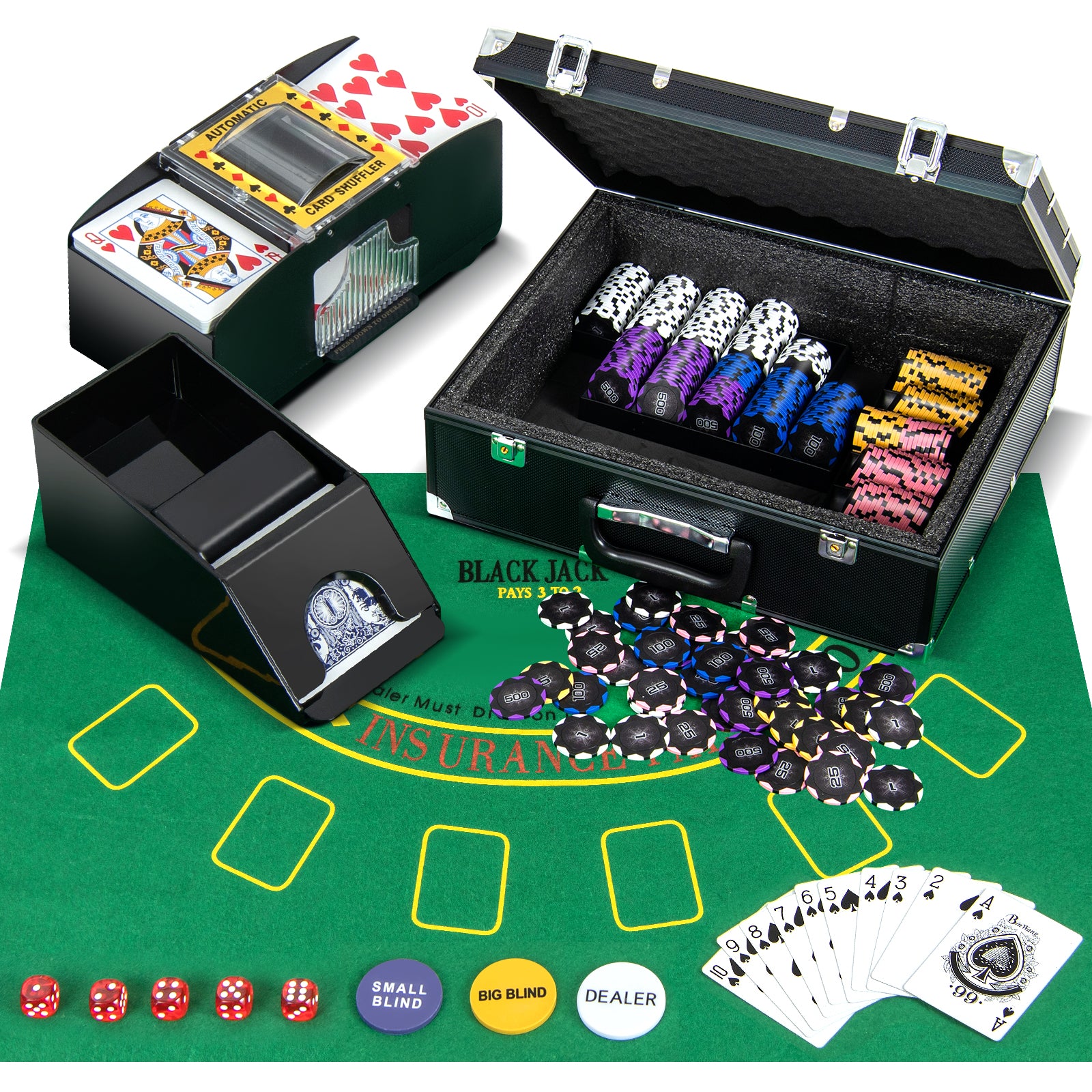
Common Questions About blackjack table casino app
What is the house edge in blackjack and how does it vary by rules?
The house edge in blackjack typically ranges from 0.5% to 2% depending on the specific rules, such as the number of decks, whether the dealer hits on soft 17, and the payout for blackjack. Standard single-deck games with favourable rules can have an border as small as 0.13% with perfect basic strategy.
How does basic strategy put to work and is it ever effective?
Basic strategy is a mathematically optimised set of decisions for every possible hand combination, designed to minimise the house border. While it doesn’t guarantee wins, it reduces the border to its lowest possible level and is essential for long-term play.
What are the tonality differences between online and live dealer blackjack?
Online blackjack uses a random number generator (RNG) for virtual cards, offering faster play and lower minimum bets, while live dealer blackjack streams a real human dealer from a studio, providing an authentic casino ambience with real cards and interaction.
Is card counting possible in online or live blackjack?
Card counting is ineffective in online RNG blackjack because the deck is reshuffled after from each one helping hand. In live dealer games, continuous shuffle machines (CSMs) are commonly used, making counting impractical, though manual shuffles on some tables may allow it.
What is the best blackjack variant for high RTP?
Classic blackjack variants with the fewest decks (single or duplicate) and favourable rules, such as "European Blackjack" or "Blackjack Switch," often offer RTPs higher up 99.5%. Always review the specific rules, as payouts and side bets can significantly affect the return.
Casino experts prioritize blackjack table casino for its transparency.
How to Recognize Problem Gambling in Blackjack 2026
Gambling is strictly for adults older 18 and over. All UK casinos featured on this site are licensed by the Gambling Commission (UKGC), ensuring fair play and player protection. If you feel your gambling is becoming a problem, you can self-exclude via GAMSTOP, the national internet self-exclusion scheme. For immediate aid, striking GamCare or BeGambleAware on the National Gambling Helpline at 0808 8020 133. Always set deposit and time limits before you play, and remember: gambling should be entertainment, not a way to urinate money or chase losses. Play responsibly and only what you can open to lose.